

Climate Actions

To support the resiliency of local communities where our businesses operate, we focus on energy and resource efficiency.
This includes a concerted effort to:


Purpose and Goals
Energy and Climate
Climate change is a priority for us. We focus on energy management at the property-level to maximise energy efficiency, particularly in the use of electricity, and greenhouse gas emissions.
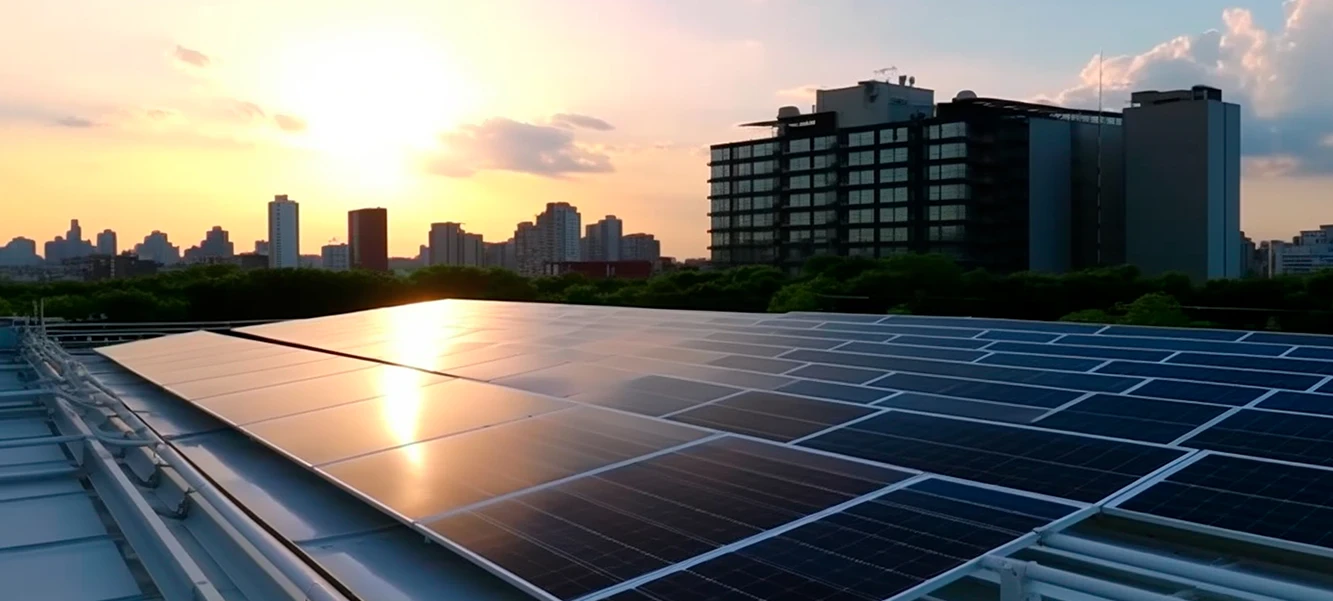
Transition to low-carbon emissions: We have installed solar photovoltaic system at Dusit Thani Maldives, Dusit Beach Resort Guam, Dusit Thani Kyoto, ASAI Kyoto Shijo, Dusit Thani Lubi Plantation Resort, Dusit Princess Srinakarin Bangkok, Dusit Thani Hua Hin, Dusit Princess Chiangmai and Dusit Thani College.
Continuous enhancement of energy efficiency: Our energy conservation programme is established, implemented, and regularly monitored.
Water Management
Recognising water resilience as a material risk in the context of climate change, we prioritise efficient water management at operational level by focusing on optimising operational efficiency and strengthening wastewater treatment.
Enhancement on water efficiency: Engineering and administrative measures have been implemented and are monitored with a focus on main utility systems.
Efficient wastewater treatment: Efficient wastewater treatment systems are installed and operated effectively across properties. Where practicable, the treated wastewater is reused for non-potable purposes such as irrigating landscapes, watering plants, and cleaning specific areas.

Waste Management & Circularity
We recognise the importance of resource efficiency and waste reduction, as well as the impacts of our products and services. We minimise our footprint across the value chain by integrating the waste management hierarchy into our operational processes, from design to implementation.
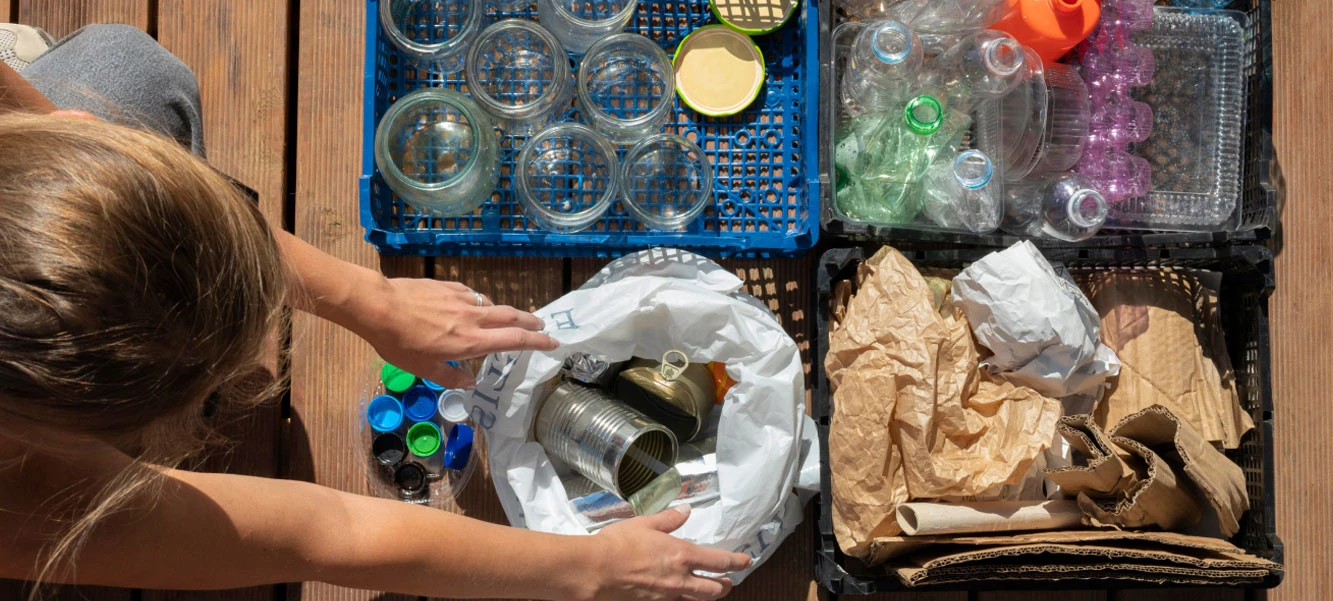
Phasing out single-use plastic: Single-use items are being replaced with more sustainable alternatives that maintain quality control while meeting customer expectations. This transition is aligned with our brand identity and has been embedded in hotel standard across all brands. Key measures include the use of refillable containers for room amenities, serving in-room drinking water in glass or reusable bottles, and switching to reusable or more sustainable alternatives, such as paper packaging and biodegradable straw.
Food Waste Management
Recognizing food waste as a significant aspect, the holistic approach for food waste management is applied, covering pre-kitchen, kitchen, and post-kitchen.
- Minimising food waste in preparation and production: Efficient stock management, strategic procurement, and improved kitchen and outlet practices are implemented, as well as running guest awareness campaigns.
- Managing surplus food: Where practicable, surplus food is preserved effectively and in collaborations with local partners for managing surplus food are established (where local regulation permits).
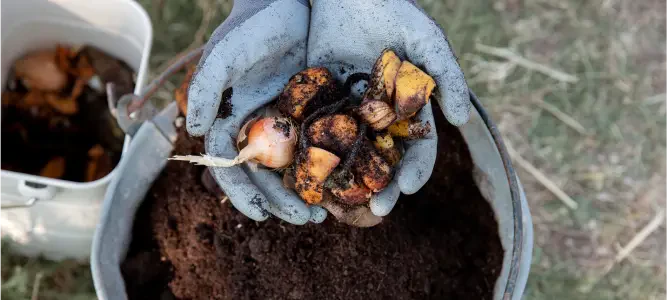
- Composting organic waste: Traditional compost piles, liquid fertiliser, or composting machines are employed. The resulting compost from organic waste is used for in-house organic gardens, and/or shared with local partners and nearby communities.