

Responsible Sourcing
To lessen the potential adverse impacts across the value chain, we carefully consider the design, selection, and operation of our products and services.

Eliminating single-use plastic

Enhancing responsible sourcing

Supply Chain Management
Purpose and Goals
Local & Organic Produce
Local and organic produce is prioritised where economically feasible.
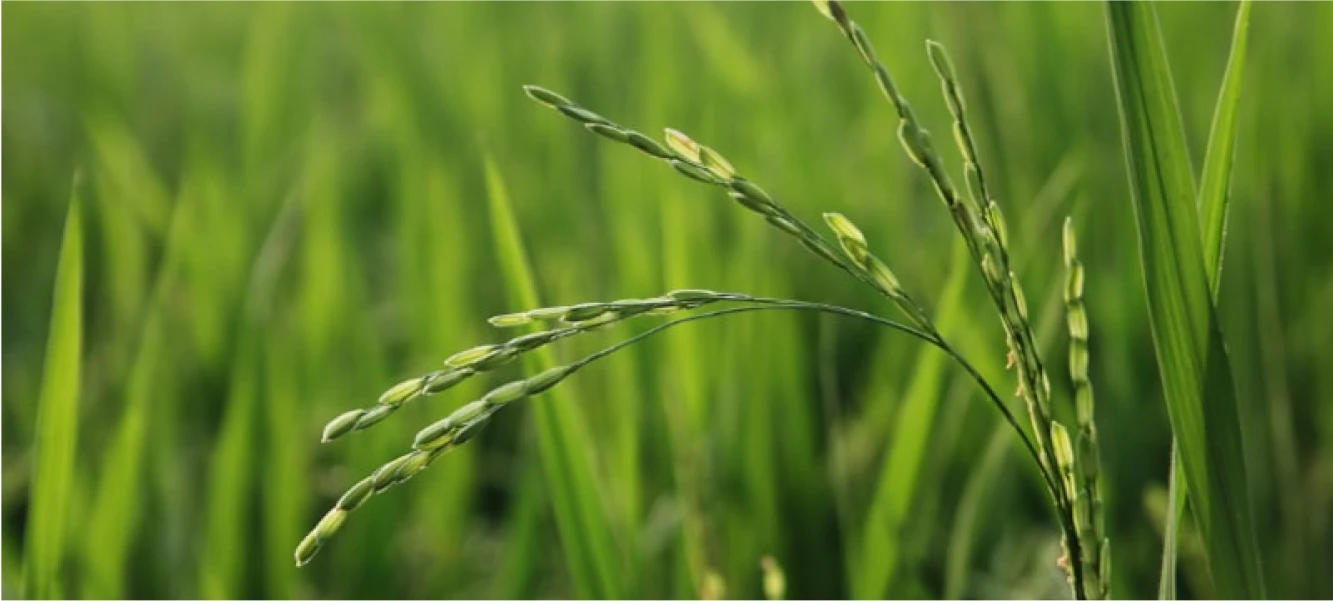
The Organic Jasmine Rice Project began in 2021 and continues to be implemented. The project operates responsibly by directly sourcing organic jasmine rice from farmers in Thung Kula Rong Hai area, specifically Surin and Sisaket provinces. This includes guaranteeing a minimum annual order, offering fair prices, and pre-paying for each batch. In 2022, Dusit marked a small milestone on offering 100% organic rice at its properties throughout Thailand, for both the guest and its employees.
We continue to work closely with local partners to source products. In Thailand, organic young coconuts are sourced from farmers in Ratchaburi, Nakorn Pathom, Samut Songkram, and Samut Sakhon provinces, and Dusit’s first mineral water, which is sourced from Pho Sam Ton, Ayutthaya province and bottled in endlessly recycled glass bottles. We have also partnered with a local tea manufacturer in Japan to exclusively supply organic green tea to Dusit Thani Kyoto and ASAI Kyoto Shijo.
Animal Welfare & Wildlife Protection
Animal welfare is integrated into both ingredients and products sourcing, and activities that may potentially impact wildlife.
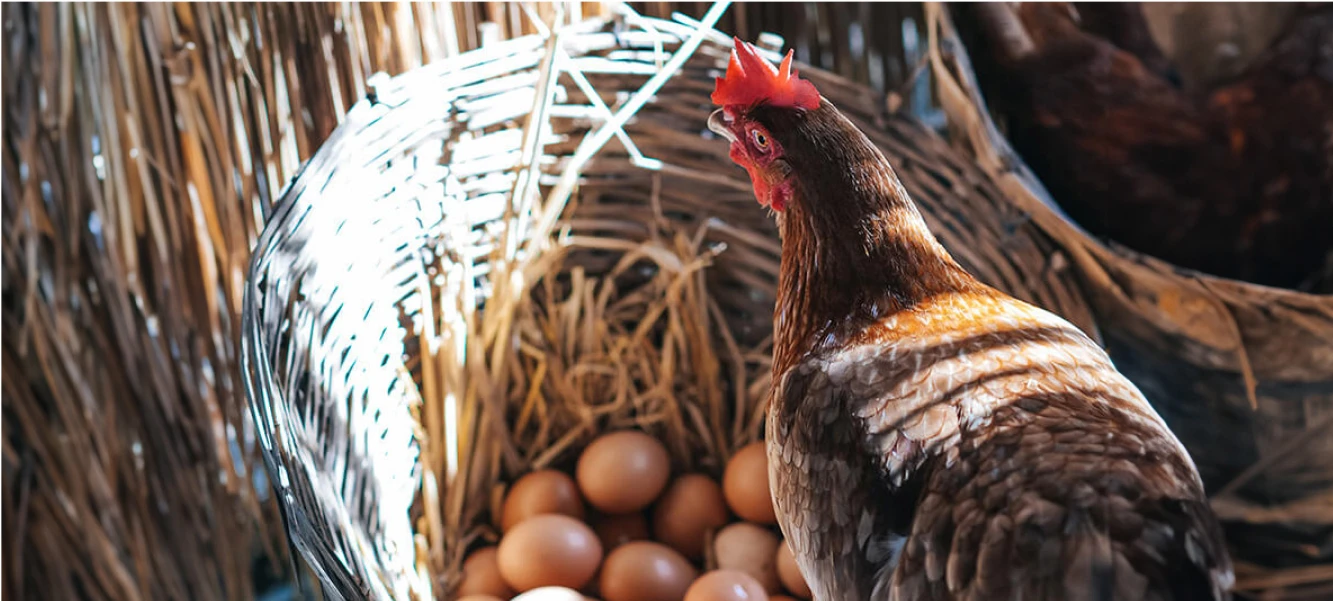
Cage-free eggs promote animal welfare by allowing hens to express natural behaviors, reducing need for antibiotics in food production, and delivering safer food for our customers.
The eco-friendly and community-based activities continue to be offered to guests alongside partnerships with organisations to promote responsible wildlife tourism.
Ban of Vulnerable Species
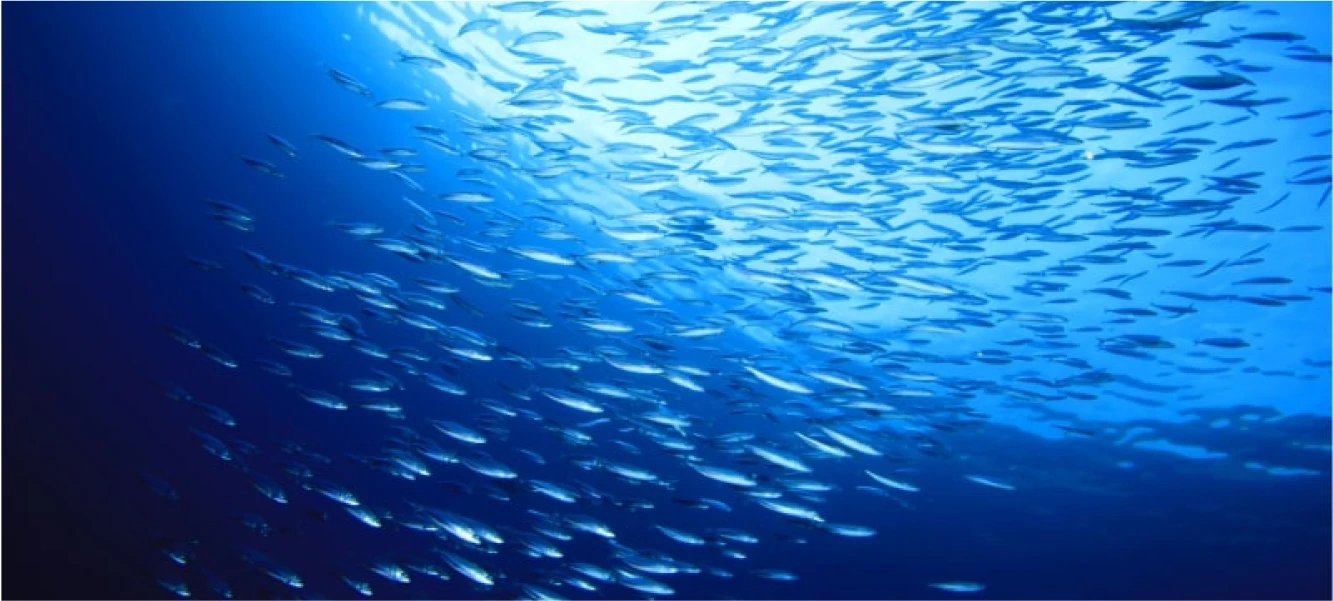
Since 2019, Dusit has maintained a policy to ban vulnerable species from its menus, reinforcing its commitment to conserving nature and combating overfishing and illegal fishing practices. Eight species are currently prohibited from our menus.
Single-use Plastic
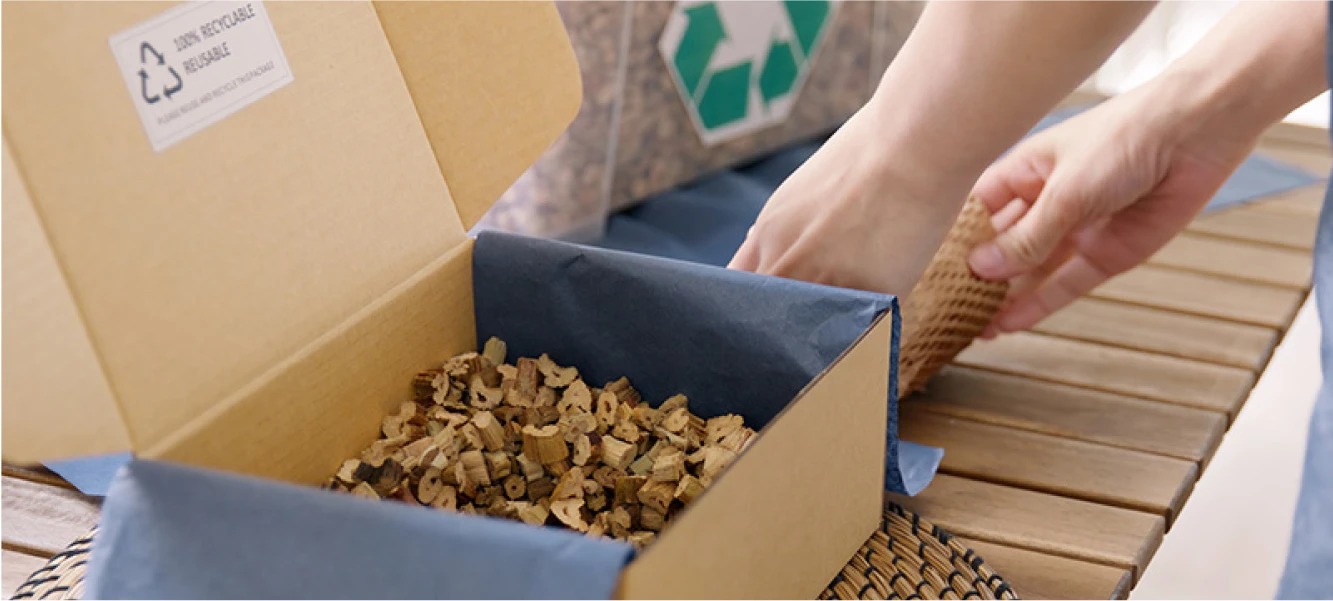
Since 2018, we made our mission to eliminate single-use plastics across the company, which started by ceasing to plastic straw. We continue to replace single-use plastic items with sustainable alternatives. Sustainability criteria, such as material type and its circularity, are defined alongside quality and procurement considerations when evaluating new options in the market. Prioritisation is conducted based on commonly purchased items like room amenities and food containers. Expanding the use of sustainable options continues its progress according to new standardization and corporate guidelines.

Eco-friendly Product
Eco-friendly products are considered when sourcing. Key applications include energy-saving device, Forest Stewardship Council (FSC) certified products, and lower-footprint construction and utility products where applicable.