

Tree of Life


Fully embracing ‘Sustainability’ as one of the four key pillars of Dusit Graciousness,
Dusit’s group-wide sustainability programme— “Tree of Life” serves as key mechanism for driving sustainability initiatives across business operations. It is designed to ensure we deliver on our promise to create a positive impact wherever we set foot. The program has been implemented across our hotel business since 2023.
- Dusit’s commitment for sustainability journey
- Driving key sustainability initiatives
- Internal benchmarking and drive success of each property
Planting The Seeds for a Better Future
What we do today impacts tomorrow. Tree of Life clarifies Dusit’s sustainability intentions and drives efforts, by guiding actionable and easy-to-follow steps to benefit the environment, colleagues, and their broader communities. In short, it ensures we can carry out our business and deliver services with genuine care for the environment and society. Internal collaboration and regular communication are key to the programme’s success.
How it Works
The programme has 31 criteria, covering Environment, Social, and Governance (ESG) elements, ensuring that Dusit properties operate as sustainably as possible.
There are four levels of achievement for hotels to aim for, starting with eight standards in the mandatory Level 1. Hotels are awarded with ‘leaves’ based on their achievement level – and the more leaves each hotel receives, the better!
The programme focuses on water and energy use, waste management, and Greenhouse Gases (GHG) emissions, with hotels that exceed the compulsory criteria in Level 1 being eligible to move up the levels.
Tree of Life Progress In 2025, the Tree of Life program was further strengthened with greater on-ground implementation at Dusit Hotels & Resorts. Of the 34 participating hotels, 29 hotels achieved Level 1, while 5 hotels are in the process of qualifying. We look forward to seeing more hotels advance through the levels and contribute to a greener future
Growing Sustainability Together
| Level | Criteria |
|---|---|
|
Level 1 (Mandatory)
|
|
|
Level 2
Level 3
Level 4
|
Water:
|
|
Waste:
|
|
|
Energy & GHG:
|
|
|
Responsible consumption:
|
|
|
People & Community:
|
|
|
Collaboration & Public Recognition:
|
Our Commitment


Protecting children from exploitation
Dusit recognises the global issue of child abuse and sexual exploitation within the travel and tourism industry. We are committed to taking a firm stand against all forms of child exploitation and supporting efforts to protect children across the communities where we operate.
As part of this commitment, we have integrated robust child protection measures into our policies and operational procedures across our global hotel network, including owned, managed, and franchised properties. Any suspected or actual cases are promptly reported through established channels to our hotel general managers and Corporate Human Resources.
WTTC Declaration
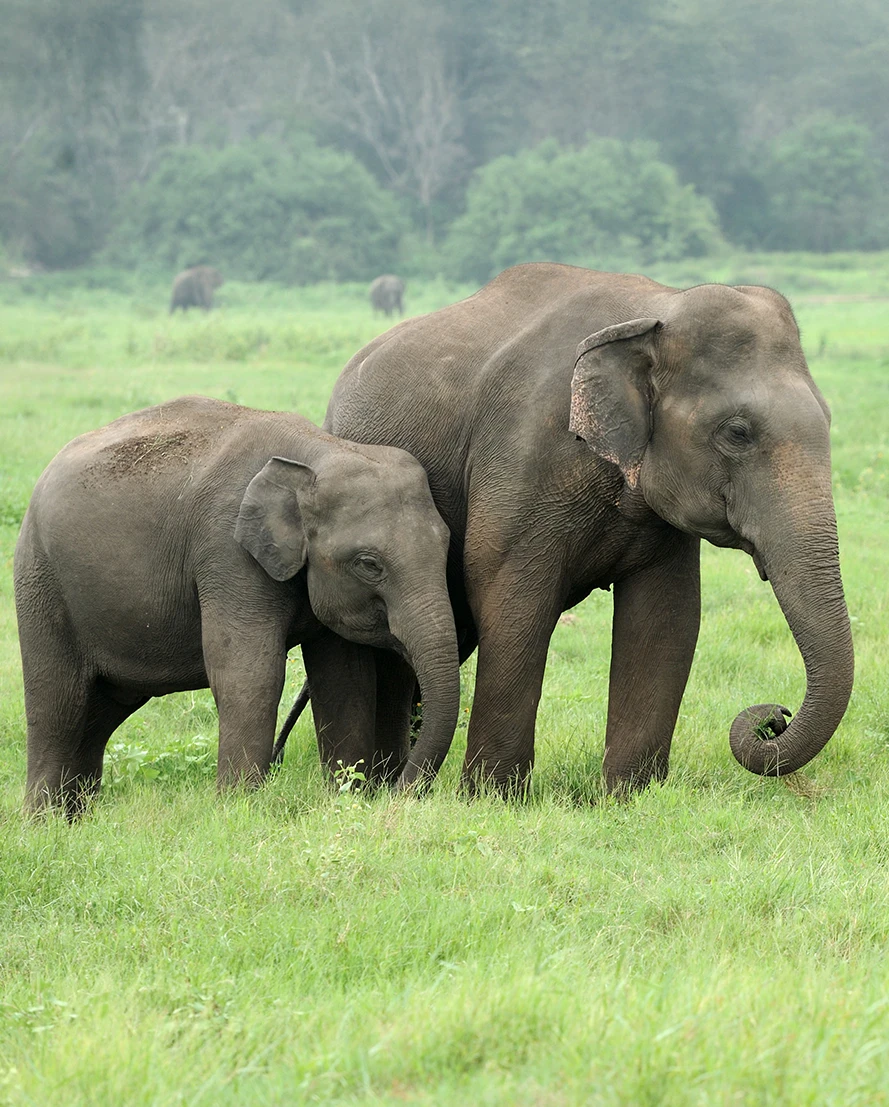
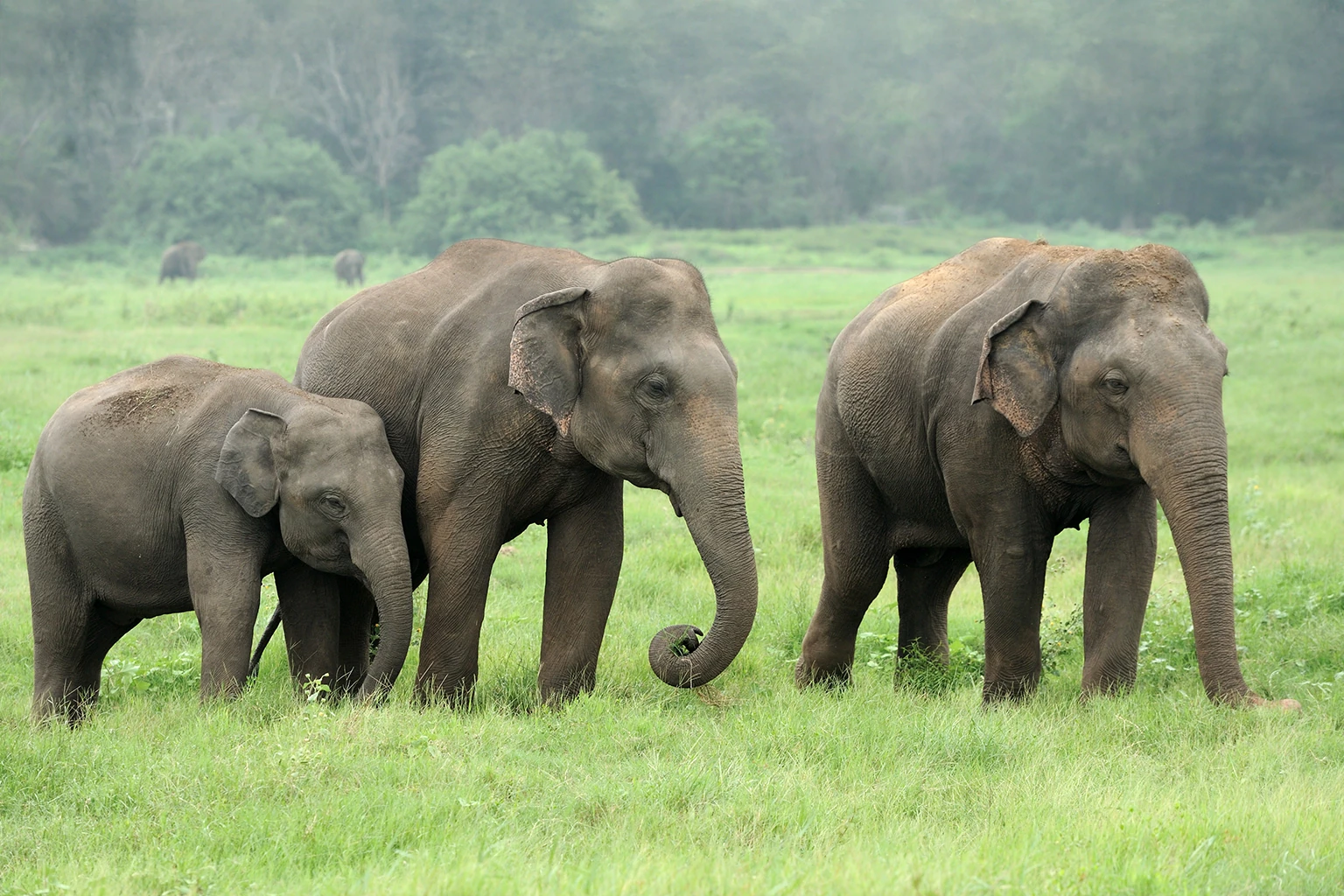
The Company has signed the World Travel and Tourism Council (WTTC) Declaration on Illegal Trade in Wildlife to combat the exploitation of vulnerable species and protect communities and wildlife. With this commitment, we adopt the administrative measure to:
- zero tolerance regarding illegal wildlife
- partake in eradicating the market for illegal wildlife product and endangered species from our supply chain
- emphasise responsible souring of seafood

Protecting vulnerable species
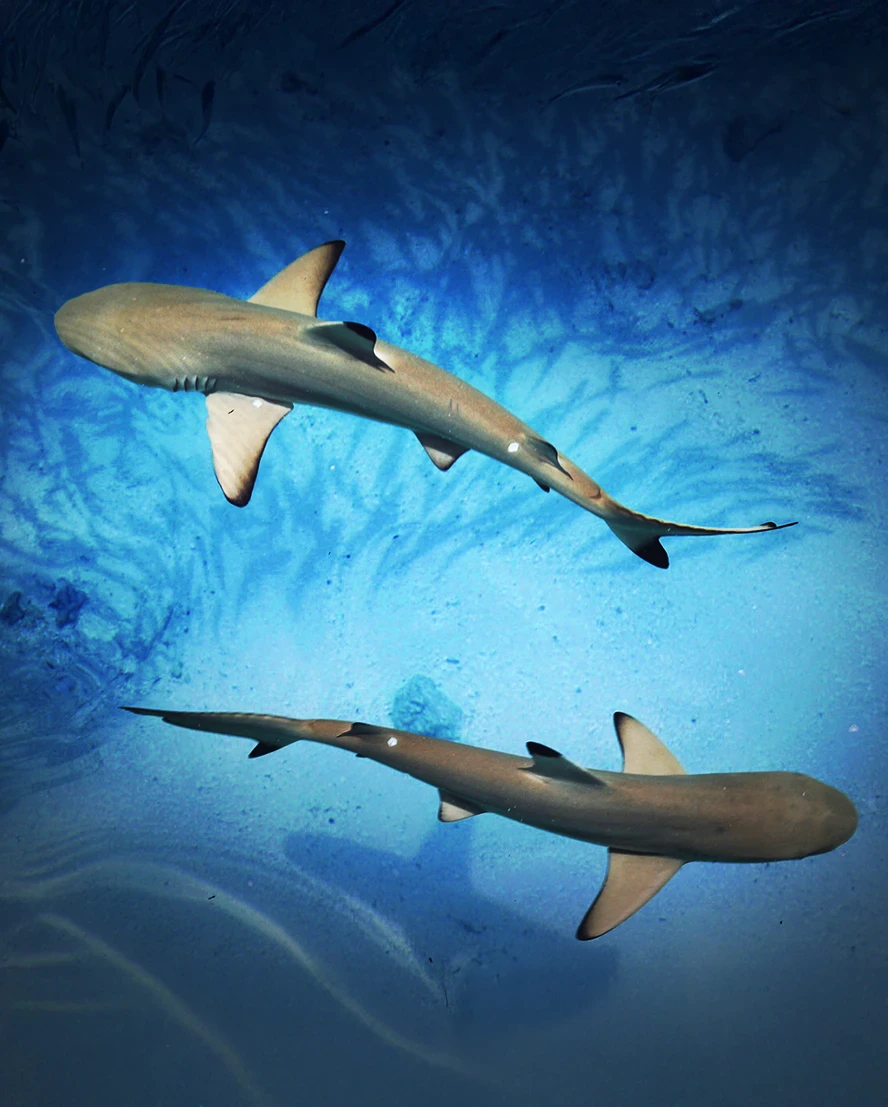
Since 2019, we have enforced a ban on the consumption of six vulnerable species, showcasing our unwavering commitment to nature conservation and our stand against overfishing and illegal practices. This prohibition includes shark fin (from all sources), Sea Turtles and their eggs (Cheloniidae and Dermochelyidae families, from all sources), Chilean Sea Bass (Dissostichus eleginoides, from all sources), Mekong Giant Catfish (Pangasianodon gigas, from all sources), Atlantic Goliath Grouper (Epinephelus itajara, wild-caught), and Orange Roughy (Hoplostethus atlanticus, wild-caught). In 2022, the Group Sustainability Committee furthered our conservation efforts by endorsing the ban on two additional species, namely Parrotfish (Scaridae family, from all sources) and Napolean Wrasses (Cheilinus undulatus, from all sources).
